3 Mins read • 147

The days when NFL fans followed games solely through their TVs are long gone. Today, social media is deeply embedded in the fan experience, reshaping not only how fans consume news but also how they make betting decisions. The growing velocity of news cycles—meaning how quickly information spreads—and real-time reactions play a huge role in the expanding landscape of NFL betting. This evolution is especially pronounced thanks to platforms like The Lead and products from Bet The Lead, which aggregate and curate breaking news for bettors who crave updates faster than ever.
The NFL’s Year-Round Fandom: A Foundation for Real-Time Reactions
Unlike some sports where fan interest spikes only around key events, NFL fandom is truly year-round. From the NFL Draft and free agency period in the offseason to training camps and preseason games, fans remain plugged in long before the regular season kicks off. This constant engagement feeds a persistent demand for news and analysis — creating the perfect environment for social media to influence betting markets around the clock.
Even outside game days, social media channels buzz with roster updates, injury reports, trades, and coaching rumors. Fans don’t just want the big picture; they want minute-by-minute updates, giving bettors nearly an obsession-worthy stream of news velocity. This continuous flow of data allows bettors to adjust their strategies and holdings far quicker than prior generations, who relied on newspapers or once-daily sports reports.
Beyond Picking Winners: The Expanding NFL Betting Markets
Betting markets have expanded well beyond simply picking which team wins the game. Today’s sportsbooks offer hundreds of prop bets, spread bets, player performance bets, and live in-game wagers that react dynamically to what’s happening in real time. As a result, social media reactions have become a potent influence on market movement and public sentiment.
- Player injury updates: A tweet about an unexpected knee injury can immediately shift odds before official announcements. Weather reports and insights: Social media chatter often alerts bettors to last-minute conditions that affect game scripts. Coaching decisions and changes: Rumors or confirmations about personnel may impact team strategy and thus betting lines.
Platforms like The Lead curate the fastest and most accurate updates, allowing bettors to react before sportsbooks or other sources adjust lines. This rapid response ability is a key reason second-screen viewing—using social media or betting apps while watching the game—has become the norm.
Second-Screen Viewing: The New Normal for NFL Fans and Bettors
The term second-screen viewing refers to the use of a smartphone, tablet, or computer in tandem with watching live TV. Sports fans no longer passively consume games; instead, they actively analyze live stats, engage on social media, and check betting lines as plays unfold. This multitasking allows for instantaneous betting decisions informed by real-time reactions and news velocity.
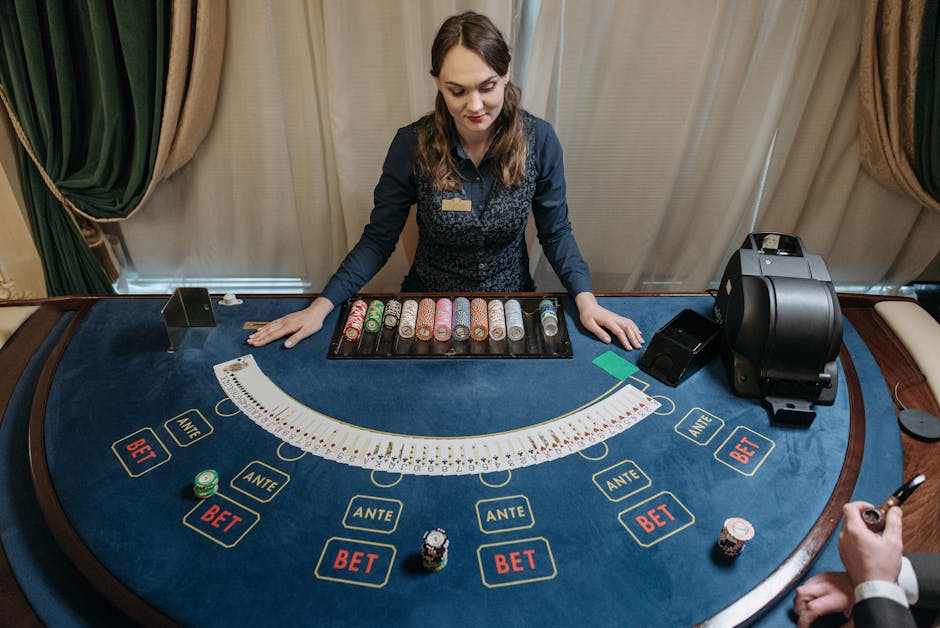
For example, a fan watching the game might see a post about a surprise quarterback injury, then immediately use Bet The Lead's tools to decide whether to hedge an already-placed bet or jump on a live line. The immediacy of news—amplified by social media—can create swings in public perception and odds that no traditional broadcast or print media could deliver.
Second-screen behavior also encourages more complex bet types, as bettors try to exploit live-edge opportunities rather than settling for static pre-game wagers. This dynamic underlines why NFL betting is no longer just about predicting a winner—it’s about reacting strategically in the moment.
Live Betting and Its Impact on Betting Decisions
Live betting, or in-game betting, has exploded in popularity alongside these social media and second-screen trends. Unlike pregame bets placed hours or days before kickoff, live bets allow fans to place wagers as the game progresses, with odds shifting after every play.
The speed of social media reactions heavily impacts live betting. When a key player goes down, or an on-field incident occurs, the instant spread of information via Twitter, Instagram, and fan forums drives immediate market responses. Bettors who rely on delays in traditional media risk missing lucrative opportunities or, worse, sustaining losses.
However, it’s important to note that reacting solely to social media buzz isn’t always a winning betting strategy. Social platforms can amplify rumors or misinformation, sometimes causing premature overreactions. Savvy bettors need tools like those offered by The Lead and Bet The Lead that filter noise and deliver verified news to inform smarter live betting decisions.
A Common Mistake: Missing Price and Odds Context
One critical error in many fan-driven betting analyses online is the omission of clear pricing or odds examples. Simply stating that “odds moved after news broke” without showing specific lines or money amounts does nothing to educate or guide bettors. Reliable betting content should always include concrete pricing context so readers can understand the magnitude and direction of market shifts.
For instance, demonstrating that the Moneyline odds shifted from +150 to +120 after a player injury provides clear insight into how the market reevaluated team chances. Without this transparency, fans risk being misled by incomplete narratives that undervalue or overstate social media’s impact.
Bringing It All Together: The Future of NFL Betting in a Social Media Era
Social media’s impact on NFL betting is undeniable. The combination of year-round fandom, expanded bet types, second-screen habits, and live betting options has created a fast-paced ecosystem driven by real-time reactions and high news velocity. Bettors who embrace this multifaceted approach—with tools like The Lead and Bet The Lead—are better equipped to capitalize on market inefficiencies and protect against misinformation.
As the NFL continues innovating with media rights, digital platforms, and fan engagement, social media will only become more central to the betting landscape. Understanding the strengths and pitfalls theleadsm.com of this environment is essential for anyone hoping to turn fandom into informed betting decisions.
Summary: Key Themes Driving Social Media’s Impact on NFL Betting Theme Explanation Implication for Bettors Year-Round Fandom Fans engaged every day, not just on game days Continuous demand for fast news to inform betting Expanded Betting Markets More types of bets beyond just picking winners Greater opportunities but higher complexity Second-Screen Viewing Watching and betting at the same time using devices Need for instant access to trustworthy info Live Betting Real-time wagers during games with shifting lines Speed and accuracy of info essential to capitalize News Velocity & Real-Time Reactions Rapid spread and response to breaking NFL updates Ability to react faster can mean advantage or risk